
Have you ever heard that to have a beach body, all you need is to have a body and go to the beach? Well, creativity is similar. Bring yourself and let your ideas flow!
What is creativity?
Encyclopedia Britannica defines creativity as the ability to make or otherwise bring into existence something new, whether a new solution to a problem, a new method or device, or a new artistic object or form. The definition varies slightly depending on the source, but a general definition could be creativity is the ability to bring new ideas to the table.
Characteristics of creative people
Although everyone has their own limits, there are certain qualities that are commonly associated with someone’s creative capacity.
- Mastery: How knowledgeable are you about a certain subject. The level of mastery depends on the subject. For example: finding a solution to fix your computer will require more studies than finding an idea for a new painting.
- Autonomy: Creative people must be comfortable working alone while thinking of new ideas and the must be willing to express their ideas even though they could be perceived as radical or outside of the norm.
- Introversion: But not in the traditional definition. Creative people generally tend to be people who constantly reflect and look inside. This can be related to being intuitive when making decisions.
- Curiosity: Being curious, seeking new things, and making interesting questions. This allows creative people to understand problems from unique angles, or to understand a problem better and find any holes.
- Fluency: The number of ideas you can create in a given situation. However, for these ideas to add towards a fluency score, they need to be meaningful, relevant, and unique.
Did you know? In 1966, an educational psychologist named E. Paul Torrance and some colleagues created a test to measure people’s creativity. It is named the Torrance Test of Creative Thinking (TTCT) and has been one of the most used to measure creativity. You can learn more about this test in our blog “The Torrance Test of Creative Thinking”
Time to get creative
Different types of activities require different creative methodologies or processes. Mark Runco is an American psychologist who has been studying creativity for more than a decade. He holds that the creative process consists of six essential stages:
- Orientation: Intense interest that leads to gathering information (or researching).
- Incubation: Defining the problem and seeking a solution. It can be consciously or unconsciously.
- Illumination: Divergent thinking allows a new idea to appear!
- Verification: The individual takes time to verify his own idea
- Communication: Sharing the information to others who will then judge the quality and the usefulness of your ideas. You should receive feedback and utilize to improve your idea.
- Validation: The work becomes available to everyone.
It is important to keep in mind that this is not the only existing creative process. You might find that you want to try out different methods before you find the one that works best for you. Through thorough research, we have found there are different recommended ways to develop your creativity. Learn more about each methodology in our articles:
- Design Thinking
- Creativity in Architectural Design
- Coming soon … Creativity as defined by Mihaly Csikszentmihalyi
Good luck! And may you find great ideas!
Browse through our blog posts
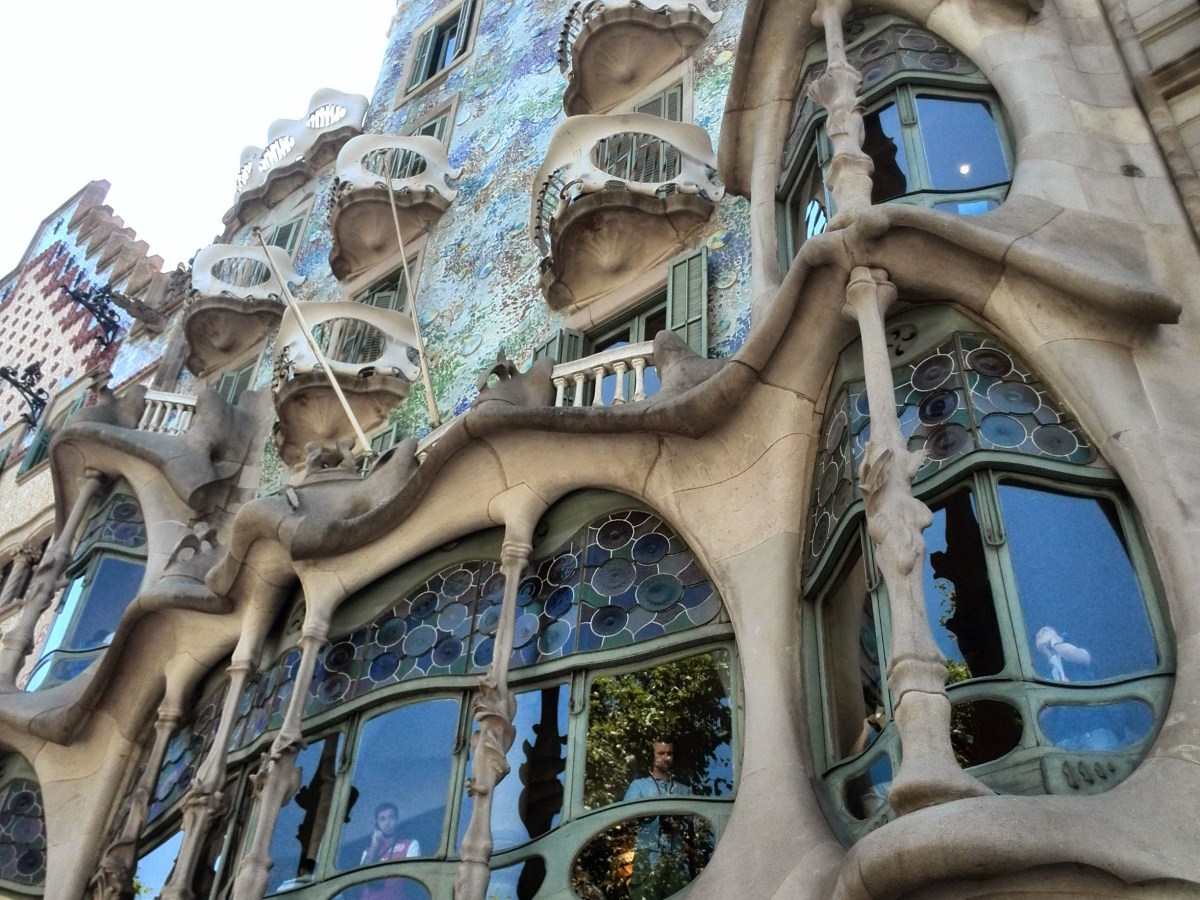
Creativity: Lessons from architecture
Every profession requires creative problem-solving, but in some, it’s their bread and butter, such as in architecture, marketing, or stand-up comedy. Of course, every profession has something to teach other disciplines, but architecture is the one we’re focusing on in this article. Architecture has many things to teach about…

Is creativity important in advertising?
Yes, creativity is great. But does it really work? Well, we found a couple of interesting studies that have concluded, that a creative message does get more attention and leads to a more positive attitude toward the product and ultimately sales! But, it’s not as simple as that, the…
The creative process in marketing
Most people (clearly talking about non-marketers) associate marketing with being experts in choosing colours, creating presentations, and outsourcing creative tasks to creative agencies. But marketing is so much more than that. A big part of the job is using data to understand our consumers better and then having the…
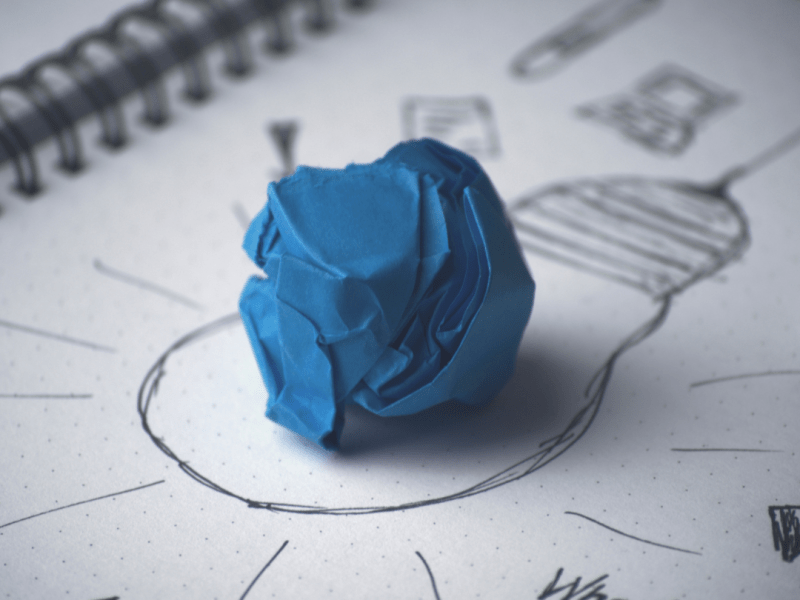
Creativity in Business
You might not have thought about it, but creativity is present in many aspects of our life. Have you ever had sticky hands while cooking and you found one of your child’s toys that had just the right shape to hold up your phone? This is creative thinking! How…
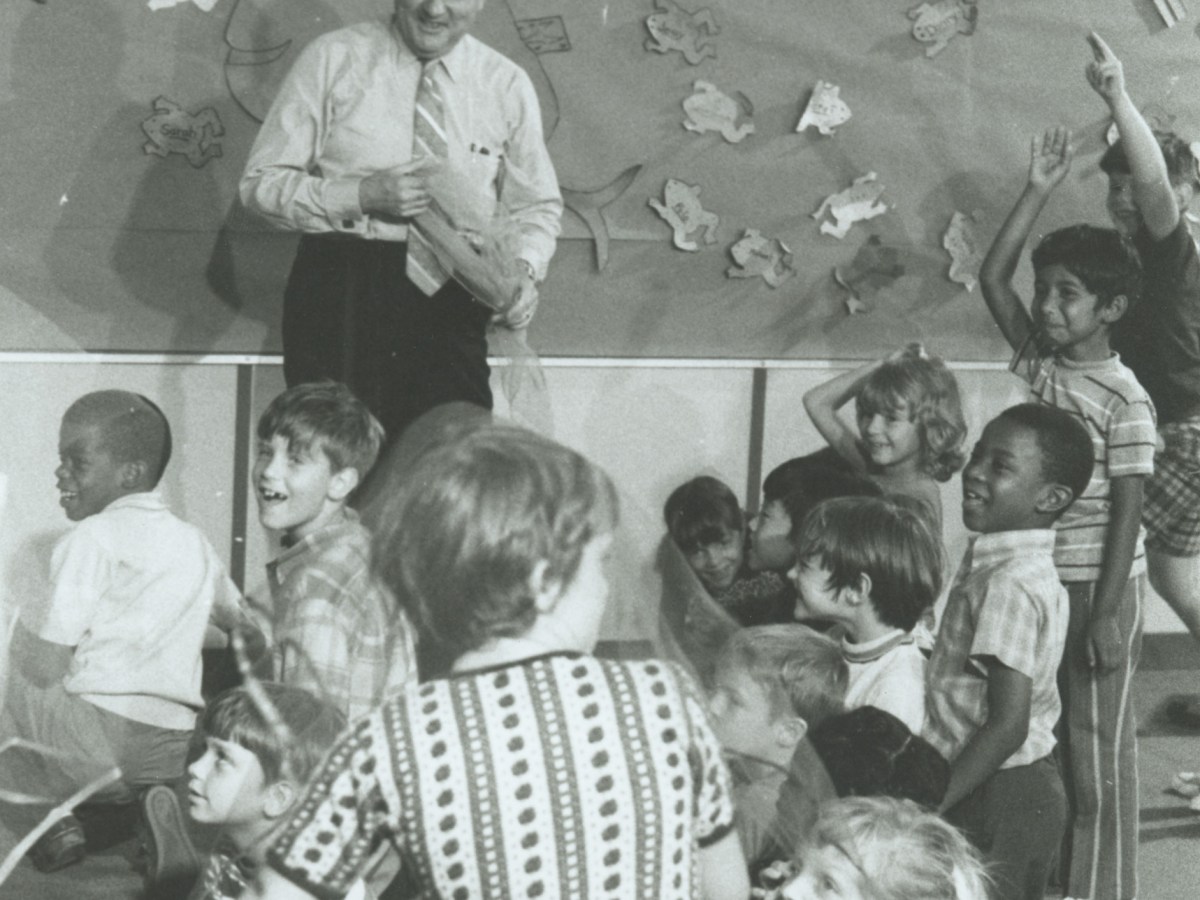
Test your Creativity: Torrance Test of Creative Thinking
The Torrance Test of Creative Thinking or TTCT for short, is a test of creativity. It was built by Ellis Paul Torrance in 1966 and has been considered the most accurate to measure creativity. “The most common assessments of creativity used in education are the Torrance Tests of Creative Thinking. Although…

What does being creative mean?
First, let’s define what being creative means. According to the Scientific American, being creative is often defined as en defined as having the ability to come up with new, unique, and useful ideas. So can everyone be creative? Everyone has the ability to be creative to some extent. What…

How to be more creative
The Five Steps to Creativity Although the names of the steps change depending on where you look them up, the principles are the same. According to the Pearce Center for Professional Communication, Graham Wallace asocial psychologist was who outlined the creative process for the first time in his book The…

