
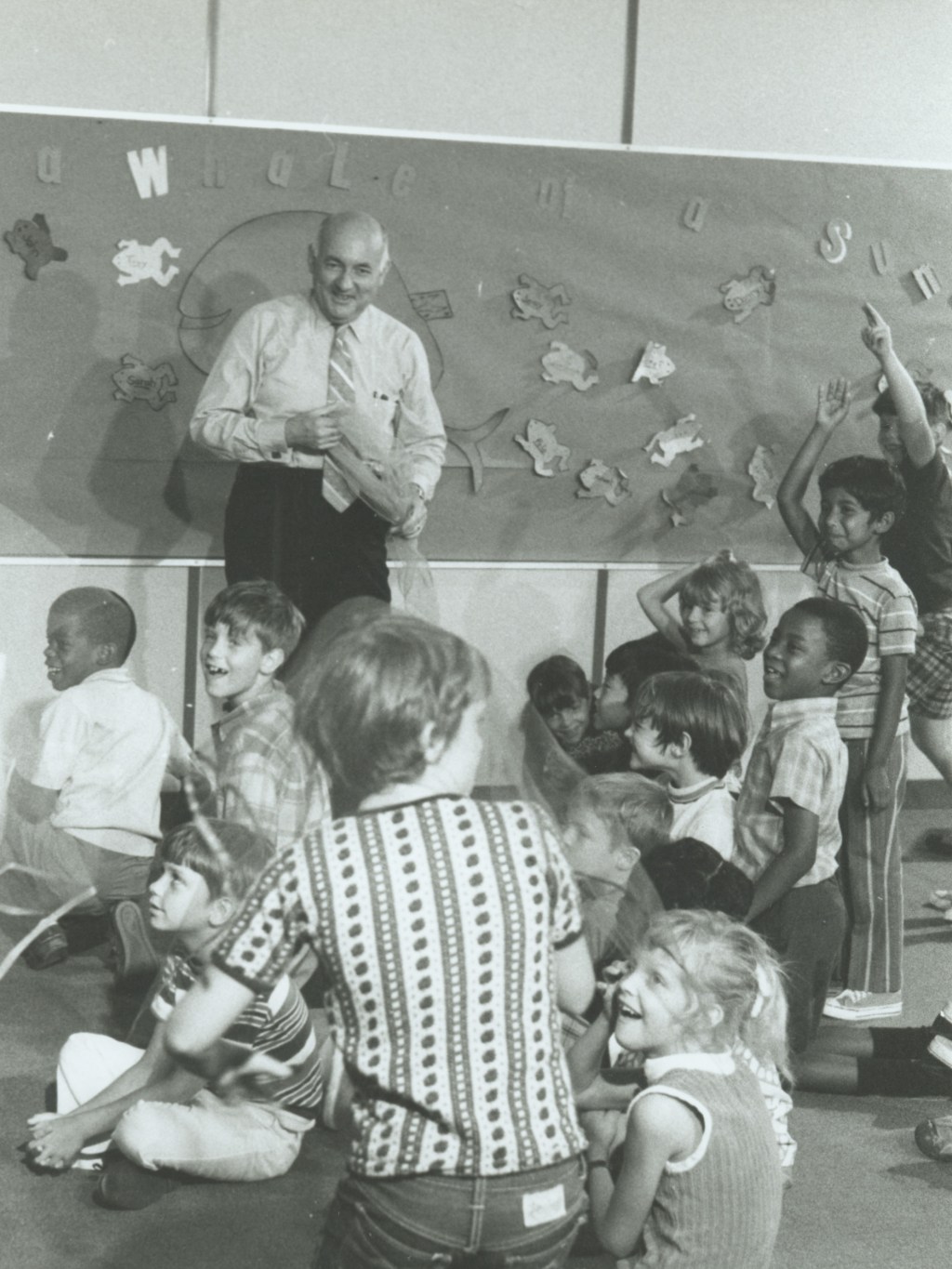
The Torrance Test of Creative Thinking or TTCT for short, is a test of creativity. It was built by Ellis Paul Torrance in 1966 and has been considered the most accurate to measure creativity.
“The most common assessments of creativity used in education are the Torrance Tests of Creative Thinking. Although it is half a century old, it is still in current use. “
Encyclopedia of Creativity
What does it include?
The Torrance test consists of verbal (thinking creatively with words) and figural (thinking creatively with pictures) tasks that involve divergent thinking and problem-solving skills. Each section includes multiple subtests, three for figural forms and even for verbal forms.
The original tests produced scores in fluency, elaboration, originality, and flexibility. But in 1984 it was revised and flexibility was removed because those results were commonly similar to the fluency scores.
Fluency measures the total number of responses or ideas on any divergent thinking excercise.
Originality measures the unusualness of the responses, who unique the ideas are.
Flexibility is the number of different categories or kinds of responses to a stimuli, or the different change in meaning use or interpretation of something.
Elaboration is the elaboration of the ideas, the richness of detail in each idea produced.
Where can I take it?
There are multiple institutions who offer this test. Here are a couple we found:
Is it still used?
This test is still widely used and recognized as one of the best tests to measure creativity. However, there have been studies that the test should be reviewed to make it more accurate.
Are there other ways to measure creativity?
There have been other methodologies created, but they are not as popular as the TTCT. Here is a brief explanation of them:
Guilford’s Test of Divergent Thinking – This test was developed to measure divergent thinking. It was also known as Alternative Use Task.
Self-assesment tests – Created by Torrance with his colleague Joe Khatena, they named it the Khatena-Torrance Creative Perception Inventory (KTCPI). It includes two subtests:
1. Something About Myself measures artistic inclination, individuality, sensitivity, initiative
2. What Kind of Person Are You? measures imagination, appeal to authority, self-confidence, awareness of others
NEO, developed by Paul T. Costa Jr. and Robert R. McCrae, it measures neuroticism, extroversion & introversion, openness to experience, agreeableness, and conscientiousness
Artistic Assesment Tests asses the result of an artistic production such as a short story, a drawing, or a choreography. These assesments are domain-specific. Theresa Amaible, a researcher, created a test know as the Consensual Assesssment Technique (CAT), which attempts to measure domain-specific creativity.
Useful links & references
- Measuring Creativity, All Psychology Careers
- Domain Specificity of Creativity
- Torrance Test of Creative Thinking: The Question of its construct validity
- Torrance Test, Science Direct
- “Education and Creativity” from the Encyclopedia of Creativity
 The Creative